

Vehicle Return Process Training Guide

Understanding the lease here pay here vehicle return process is critical for both customers and dealership teams. This training guide explains how returns work from start to finish, including scheduling, inspections, condition standards, mileage reconciliation, payment balancing, documentation, and compliance. Whether you are approaching your scheduled return date or you need clear staff procedures to reduce risk and improve customer satisfaction, this page outlines practical steps that keep everyone aligned and protected. You will find definitions of common terms, timelines, and best practices tailored to lease here pay here operations, with insights that also help buy here pay here stores manage voluntary surrenders and end of term outcomes. For deeper operational guidance, explore lease here pay here training resources like lease here pay here operations training and stay updated through our blog. Use this page as your return playbook to streamline process, reduce disputes, and safeguard your portfolio.
Use this page to register members of your dealership ASAP!
ONLY $299 For Each Addt'l Dealership Attendee
CAESARS ROOMS DISCOUNTED TO $189 a night
(Plus Resort Fee)
This lease here pay here vehicle return process training equips teams and drivers with clear expectations and a consistent checklist. Learn how to schedule returns, prepare the vehicle, avoid surprise charges, finalize balances, and document every step. Stores can adapt the sample workflows, customer messages, and inspection standards to local requirements while aligning with best practices covered in lease here pay here compliance education and lease here pay here collections training.

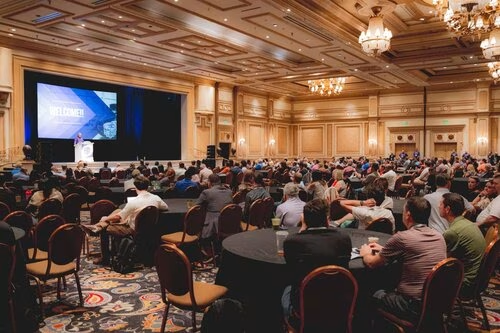
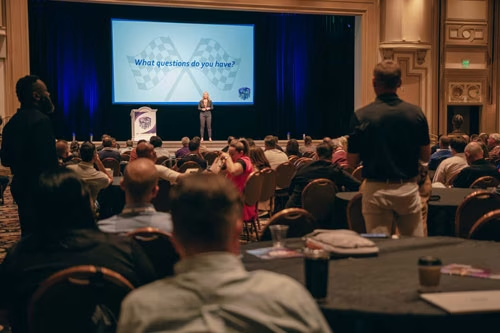
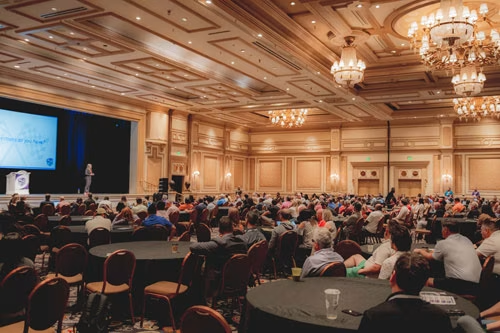
Complete Lease Here Pay Here Vehicle Return Process Training
A clear, repeatable vehicle return process reduces risk, improves customer experience, and protects profitability for lease here pay here operations. The following training outlines the end to end workflow for planned lease returns, extensions, early terminations, and voluntary surrenders. It also provides sample customer communication, inspection standards, and documentation checklists you can tailor to your market and policies.
1. Return readiness and scheduling
Outcomes improve when both parties prepare early. Begin return outreach 45 to 60 days before the scheduled end date and continue at 30, 14, and 7 days. Confirm the appointment, location, and required items such as keys, fobs, manuals, and any included accessories. Provide a brief condition guide to reduce disputes over wear, damage, and cleaning fees.
- Send reminders with date, time, store address, and parking instructions. Include after hours drop rules if applicable.
- Share a pre return checklist covering cleaning, personal items removal, and known damage disclosure to avoid surprises.
- Advise customers to bring valid identification, proof of insurance through return date, and all payment receipts.
Train staff to schedule returns in your CRM and assign a responsible team member. For process enablement and tool adoption, see lease here pay here technology integration training.
2. Customer communication that builds trust
Clear communication limits anxiety and promotes on time returns. Provide plain language explanations that avoid jargon, outline what to expect, and clarify how final charges are calculated. Avoid assumptions about customer knowledge.
- Script a brief call to confirm the appointment and answer questions about wear, mileage, and fees.
- Offer a written guide that defines normal wear versus excess wear with a simple measurement reference like a credit card edge.
- Provide a pathway for customers to address hardship or extension needs without default, covered below.
Improve message quality by aligning customer service, collections, and operations teams. Cross train with lease here pay here operations training and lease here pay here collections training.
3. Day of return intake and identity verification
On arrival, greet the customer and verify identity. Capture key items, confirm current mileage, and record fuel level. Ask the customer to remove all personal items before the inspection starts. Photograph every exterior panel and the cabin, including high wear areas and the odometer. Note missing accessories or equipment disclosed in the lease.
- Collect keys, fobs, floor mats, spare tire, tools, and any included device like a GPS or starter interrupt if customer possessed a separate controller.
- Disable customer connected services and unpair phones to protect privacy before reconditioning or resale.
Train staff to record intake in real time using your inspection app or form. For detailed operations enablement, see lease here pay here operations best practices.
4. Condition inspection and standards
Use a published standard for normal wear and excess wear. Consistency is key to fairness and dispute prevention. Define simple thresholds for dents, scratches, windshield chips, tire tread, upholstery tears, odors, and missing parts. Note that some states prescribe specific return disclosures or grace periods, so align with your legal counsel and lease here pay here compliance education.
- Differentiated pricing for refurbishable versus structural damage with evidence photos and technician estimates.
- Mileage evaluation against contracted allowance and a posted cents per mile rate for overage.
- A cleaning or sanitation fee schedule that is disclosed at origination and at return.
Document findings in a signed inspection report with photo attachments. Provide a copy to the customer. If your model allows same day disputes, outline the window and resolution path in writing.
5. Payment reconciliation and final invoice
Finalize the account by reconciling any unpaid lease obligations, late fees permitted by policy and law, taxes, tolls, tickets, mileage charges, and excess wear costs. Apply deposits or refundable fees where applicable. Provide a written final invoice with a payment due date and accepted payment methods. If a balance remains, move the account to your return resolution queue and follow your communication cadence.
- Never add fees that were not properly disclosed at origination and in policy documents. Align with your disclosures and UDAAP guidance.
- If a credit exists after reconciliation, issue it promptly and document delivery.
For stronger back office accuracy, consider lease here pay here accounting education and buy here pay here payment performance education.
6. Early termination, voluntary surrender, and extensions
Life events can drive early return, late stage delinquency, or extension requests. Establish consistent options that protect the customer relationship and your asset value.
- Voluntary surrender: Treat as a scheduled intake. Avoid language that appears coercive. Provide a clear receipt and close out the device removal process if used.
- Extensions: Document the new end date, payment plan, added mileage allowance if any, and updated insurance requirements.
- Early buyout option: If permitted, present the price calculation and timeline with written terms.
When delinquency emerges, escalate with empathy and clarity. Train collectors on lawful contact, hardship evaluation, and reinstatement options with buy here pay here collections training and lease here pay here collections training. For default strategy, review buy here pay here default management education and lease here pay here compliance best practices.
7. Documentation, privacy, and device handling
Maintain a complete audit trail. Store the signed inspection, photos, final invoice, customer communications, and any extension or hardship agreements. Protect customer data during and after return by removing personal information from infotainment systems and disabling access to connected services. If your portfolio uses telematics, ensure removal or transfer complies with privacy policy and state law. Align operations with used car dealer regulatory compliance training and dealer compliance best practices.
- Issue a return receipt confirming date, time, mileage, and condition status at intake.
- Retain call recordings or transcripts when allowed by policy and law.
8. Reconditioning and remarketing workflow
After intake, move the vehicle through reconditioning based on the inspection report. Track cycle times from return to frontline readiness and measure costs against expected retail or wholesale outcomes. Efficient turn reduces holding expense and improves cash flow.
- Prioritize safety and drivability repairs first. Then address cosmetic items that impact value in your market.
- Use parts sourcing and vendor scorecards to keep costs aligned with benchmarks.
Sharpen these disciplines with used car dealer service operations training, lease here pay here operations training, and buy here pay here vehicle acquisition training.
9. Metrics that matter for returns
Focus on a small set of metrics that drive performance and compliance. Track appointment kept rate, average days to return from first contact, average reconditioning cost, average days to frontline, return related charge disputes, final invoice cycle time, and recovery rate on return balances. Segment by store, vehicle segment, and customer profile to improve training and policy.
- Create dashboards with weekly reviews and action plans for outliers.
- Integrate audit checks that sample inspection accuracy and invoice compliance.
10. Compliance guardrails
Vehicle returns touch disclosures, fees, collections, privacy, and adverse action risk. Work with counsel to confirm state requirements and align with your policies. Ensure all fees and standards were disclosed at origination and are consistently applied. Supervisors should review return invoices before delivery to customers, and periodic audits should validate that processes match written policy.
For deeper guidance across state and federal rules, explore lease here pay here regulatory compliance training, lease here pay here audit readiness education, used car dealer audit preparedness education, and buy here pay here legal compliance education.
Sample customer message templates
Appointment confirmation: Your vehicle return is scheduled for [date] at [time] at [location]. Please bring your keys, fobs, and any included accessories. Remove personal items before arrival. We will complete an inspection, review mileage, and provide a final invoice if any charges apply.
Extension option: We can extend your lease to [new date] with a weekly payment of [amount]. The updated mileage allowance is [miles]. Please maintain insurance during the extension period. Reply to confirm and we will send a simple addendum for signature.
Voluntary surrender: We can accept a voluntary surrender at [location]. This is not a repossession. We will document the condition and finalize your account. You may still owe a balance based on your agreement. We will provide a written statement with details.
Team training and role clarity
A strong return process depends on coordination across sales, collections, service, and accounting. Define role ownership to avoid gaps that lead to disputes or delays. Supervisors should verify that every return file contains the required documents before it is closed.
- Sales or customer success: Initiates end of term outreach and schedules the appointment.
- Collections: Manages hardship, extensions, and any residual balance plan.
- Service: Completes condition inspection, photos, and reconditioning work order.
- Accounting: Reconciles the account, issues refunds or invoices, and stores the final ledger.
Reinforce these skills with lease here pay here management training, dealer operations management training, and lease here pay here leadership training.
Customer education at origination
Return success begins when you deliver the vehicle. Show customers the return roadmap on day one, including wear standards, mileage rules, and how communication will work near the end of term. Provide a small printed or digital return guide with photos and a contact number. This up front clarity reduces friction and improves payment performance across the term.
When customers want to keep the vehicle
Some customers will prefer to purchase the vehicle at term end. If your business model allows a buyout, provide a transparent path: disclose the price, taxes, title fees, and any certification or warranty options. Use a simple checklist to confirm lien release steps and title transfer timing. For pricing insights and margin protection, review buy here pay here pricing strategy training and used car dealer pricing strategy education.
Risk management notes
Use consistent standards to reduce perceived unfairness and legal exposure. Avoid surprise charges, document every decision, and provide customers a copy of all signed forms. Maintain respectful language in all communications. Store managers should review a sample of return files each month and coach teams on findings. To strengthen portfolio performance and loss mitigation, consider lease here pay here portfolio management training, buy here pay here loss mitigation training, and dealer portfolio management education.
Helpful internal resources
Explore related topics to deepen your return process skills and improve overall store performance.
Frequently Asked Questions
For more education, explore lease here pay here dealer education, attend events listed on education and events, and learn about our team at about us. Review our privacy policy for information on data handling and reach out via contact us with questions about this vehicle return process training.
